
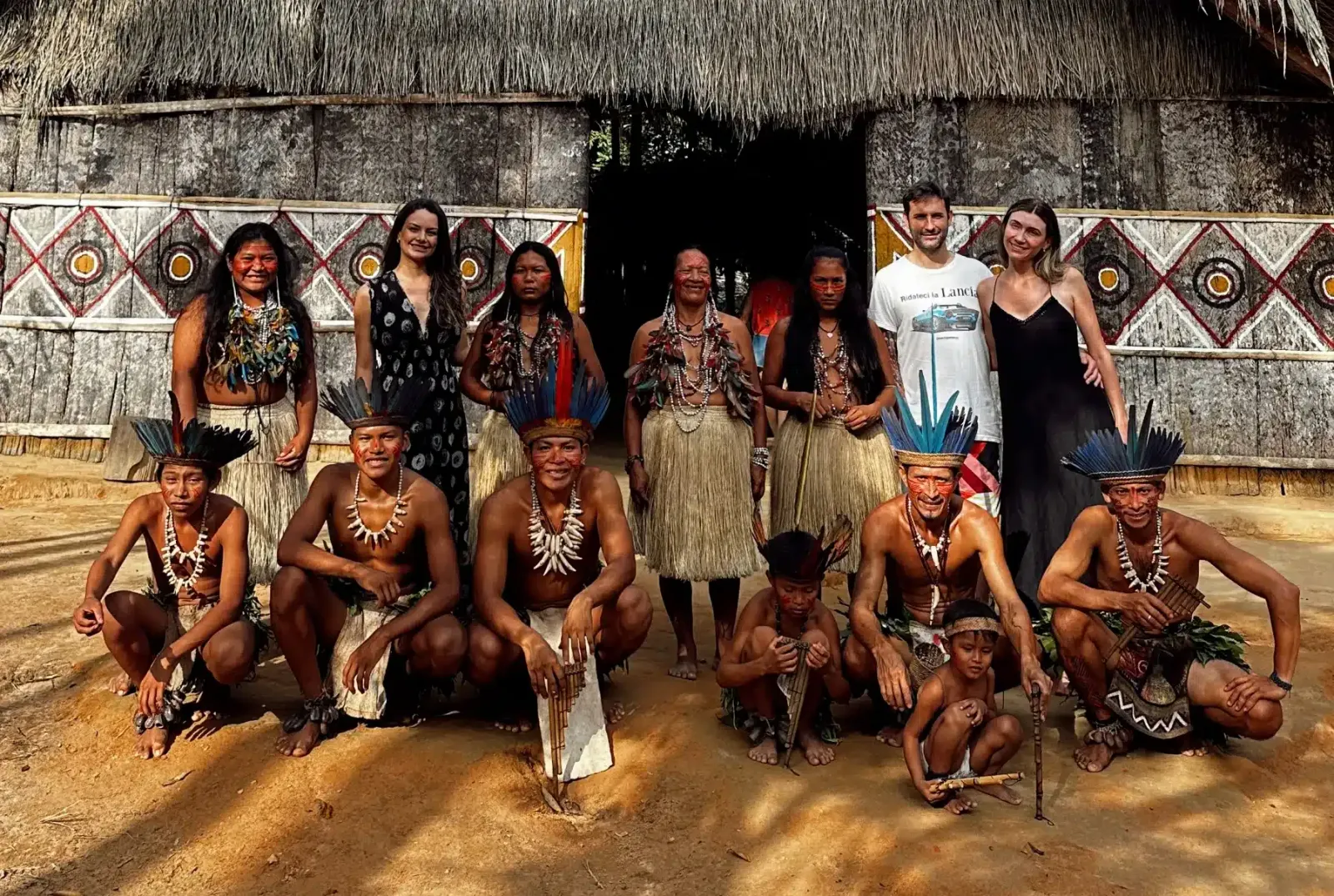
Meet the Indigenous Peoples of the Brazilian Amazon
Indigenous Peoples of the Amazon Rainforest: Guardians of One of the Most Biodiverse Regions on the Planet.
With 266 ethnic groups recorded in Brazil, according to the 2022 Demographic Census, these communities represent 1,693,535 people. Most (45%) live in the Northern region. In Amazonas alone, 490,000 Indigenous people preserve ancestral cultures that have shaped Brazil’s history.
Amazonian tribes safeguard áreas essential to the planet. Indigenous Lands (ILs) cover 24.8% of the Amazon, losing only 1% of vegetation in the past 30 years. In nearby private lands, deforestation reached 20.6%. These territories store 34 billion tons of carbon, equivalent to 14% of all tropical forests worldwide.
The Amazon hosts 40,000 plant species and 1,300 bird species. Indigenous knowledge includes 20,000 medicinal plants, the basis for 80% of global herbal medicines. These communities are fundamental for the health of both the planet and humanity.
Key Points
- 24.8% of the Amazon are Indigenous Lands, with deforestation rates 2.5x lower than surrounding áreas.
- Indigenous population in Amazonas: 490,000 people, 45% of all Indigenous Brazilians.
- ILs store 34 billion tons of carbon, crucial to fight climate change.
- Indigenous peoples know 20,000 medicinal plants, essential to global medicine.
- The Brazilian Amazon covers 4.196 million km², with 5.5 million km² of forests preserved in ILs.
The Cultural Wealth of Amazonian Indigenous Peoples
The cultural diversity of Amazonian Indigenous peoples is unparalleled. More than 300 ethnic groups and 240 languages form this richness. Each community carries stories and knowledge passed down through generations. Preserving these cultures safeguards identities and essential knowledge for humanity.
Ethnic and Linguistic Diversity in the World’s Largest Tropical Forest
The Instituto Socioambiental records 160 language families, including Juruna, Munduruku, and Karajá. These languages belong to lineages such as Tupi and Macro-Jê, reflecting millennia of adaptation to the forest. Forty-nine language families are threatened with extinction, highlighting the urgency of protection.
The Value of Ancestral Knowledge for Humanity
- Natural medicine: Plants like jatobá and açaí are used in traditional healing.
- Sustainable agriculture: Practices such as controlled burning prevent deforestation.
- Astronomy: Constellations guide agricultural and spiritual rituals, revealing a unique cosmic worldview.
Indigenous Cosmovision and Their Relationship with Nature
For these peoples, the forest is a living being with whom they communicate. Cultural preservation strengthens practices of harmonious coexistence with nature. This balance, based on mutual respect, has kept ecosystems intact for centuries.
Major Amazonian Ethnic Groups and Their Unique Traits
The Amazon’s ethnic groups form a rich cultural tapestry. The Guarani, with more than 85,000 people, are Brazil’s largest group. The Ticuna, with 53,544 members, preserve traditions across Amazonas.
“The Amazon, which makes up 50% of Brazil’s territory, is home to peoples like the Tukano and Aruak. Their diversified agriculture and rituals preserve the ecosystem.”
According to Mirim.org, these groups hold ancestral knowledge essential to humanity.
- Guarani: Present in several states, with three subgroups (Kaiowá, Mbya, Ñandeva).
- Yanomami: Inhabit Amazonas and Roraima, with cultural practices deeply integrated into the forest.
- Macuxi: Live in Roraima, preserving sustainable land management techniques.
- Ticuna: Known for rotational agriculture in Amazonas territories.
Among languages, families such as Tukano Oriental, Aruak, and Maku encompass 274 idioms. The Maku, for instance, organize into domestic groups with distinct dialects. This linguistic diversity reflects the cultural richness of the Amazonian tribes.
More than 300 years of contact with outside society have brought changes, but the Amazonian ethnic groups remain guardians of ancestral knowledge. Their connection with the forest is vital for global environmental conservation.
The Yanomami: Guardians of the Northern Frontier
Located along the Brazil-Venezuela border, the Yanomami are among the most well-known Amazonian tribes. With 29,000 members, their territory spans 94,000 km², the size of Portugal. Their ancestral lifestyle is now threatened by colonization and outside pressures.
Territory & Social Organization
Shabono villages reflect the Yanomami social hierarchy. Spiritual and community leaders manage conflicts and festivities. Shamanism is central to their worldview, connecting the physical and spiritual worlds. Each shabono houses between 50 and 400 people, with women playing decisive roles in agriculture and traditional education.
Cultural and Spiritual Practices
- Rituals such as reahu, funeral festivals, bring clans together to celebrate the passage into the spiritual world.
- Shamans (xapiri) heal with medicinal plants and ceremonial practices, preserving wisdom accumulated over generations.
- Shifting cultivation (coivara), the rotation of crops-keeps the forest regenerated without degradation
Contemporary Challenges
More than 20,000 illegal miners invade their lands, leaving craters that accumulate water and create breeding grounds for malaria. Mercury contamination affects 80% of the Yanomami who have been tested. In 2023, FUNAI invested R$3.5 million in patrols to combat invasions, but the pressure continues. The impact of colonization persists: diseases brought by outsiders, such as measles, decimated their population in the past. Today, child malnutrition is on the rise due to dependence on industrialized foods
Peoples of the Upper Rio Negro: Cultural Diversity in a Strategic Region
The Upper Rio Negro, in Amazonas, is a cradle of Amazonian ethnic groups that have preserved traditions for two millennia. The region brings together 29 groups, such as the Tukano, Desana, and Baniwa, who share interconnected cultural systems. Their communal houses (Malocas) and rituals such as the Dabucuri symbolize the preservation of ancestral culture.
- Tukano: known for their colorful ceramics and marriages between speakers of different languages.
- Desana: transmit stories through oral narratives during nighttime ceremonies.
- Baniwa: cultivate cassava using techniques that maintain balance with the forest.
Amazonian ethnic groups preserve knowledge such as the technique of fishing with plant-based poisons and the production of arumã baskets. Indigenous schools ensure the transmission of wisdom, such as the use of medicinal plants. Despite threats such as illegal mining, sustainable tourism projects allow visits with authorization, respecting traditions.
The region, with 71 million hectares, uses cultural preservation as the foundation for environmental policies. Studies show that áreas with an Indigenous presence experience less deforestation, such as the low rate of 0.1% between 2000 and 2013. This balance between tradition and modernity ensures the survival of a millennial heritage.
The Contribution of Indigenous Peoples to the Conservation of the Tropical Rainforest
For millennia, Indigenous peoples have developed practices that balance use and environmental protection. Their sustainable techniques ensure the preservation of the forest without damaging its natural cycles.
Traditional Sustainable Management Techniques
Practices such as cultivating in clearings and rotating áreas prevent soil exhaustion. Agroforestry systems combine crops like açaí, corn, and peppers in harmony with the forest. Studies by IPAM show that 12% of the Amazon maintains its vegetation through these ancestral methods.
Indigenous Knowledge and Biodiversity
Knowledge about the ideal times for harvesting or fishing ensures that resources are not depleted. As highlighted by IPHAN, the agricultural system of the Upper Rio Negro-recognized as cultural heritage-integrates more than 100 varieties of corn and beans, preserving unique genetics.
Protection Confirmed by Scientific Data
Recent studies by the MapBiomas Project reveal that Indigenous Lands have lost only 1.2% of their forest cover since 1985. Territories with formal land rights reduce CO₂ emissions equivalent to removing 12.6 million cars from the roads. WWF scientists calculate that these áreas store 14% of the world’s forest carbon.
- Indigenous áreas have 33% less deforestation than unprotected lands.
- 74 institutions support projects that increase income with products such as açaí while preserving the forest.
These findings show that the conservation of the tropical rainforest depends directly on the recognition of territorial rights. Indigenous wisdom not only protects biodiversity but also provides models for global environmental protection.
Traditions of Amazonian Native Peoples: Art, Medicine, and Spirituality
The traditions of Amazonian peoples unite art, health, and spirituality in millennia-old practices. Body painting, ceramics such as the Marajoara and Tapajonic styles, and fiber crafts are visual expressions that tell stories of identity.
In medicine, more than 25,000 plant species are used for healing. The Bahserikowi Indigenous Health Center treats 2,900 people annually. A FAPESP study shows that 64.5% of patients report better results with traditional treatments, compared to 22.2% with conventional methods. The Yanomami Remedies Manual, published in 2015, documents knowledge that has saved lives-for example, the case of a Tukano child who avoided amputation thanks to natural remedies.
Spirituality connects rituals such as Kuarup, with dances and music-to the protection of the forest. A pajé (shaman) trains for up to five years in isolation to master the use of plants and rituals. “Indigenous knowledge is science validated by centuries of observation,” says Justino Rezende, a Tuyuka researcher published in Science.
Initiatives such as the Tuyuka School combine multilingual education with traditional practices, ensuring cultural preservation. Its flexible, experience-based method already inspires projects in other countries. Without this transmission, risks such as deforestation and mining threaten not only forests but also access to medicinal plants and ancestral knowledge.
The Impact of Colonization and Present-Day Challenges
The arrival of Europeans in Brazil in 1500 marked a turning point. It profoundly altered demographics and destroyed millennia-old cultures. Studies indicate that the Indigenous population drastically declined from 2.5-5 million to about 208,000 individuals today. The impact of colonization was devastating, including massacres, diseases, and enslavement, reducing peoples who once lived in harmony with the forest.
Between the 19th and 20th centuries, the rubber boom intensified the exploitation of territories, forcing communities to migrate or isolate themselves. Today, only 46.3% of Indigenous Lands in the Amazon are officially demarcated, while 33.56% remain in dispute. Cases such as the Baú Indigenous Land, reduced by 300,000 hectares in 2003, show setbacks in the protection of territorial rights.
Current Threats
- Deforestation: 73% of fire hotspots in the Amazon occur near non-demarcated Indigenous Lands.
- Violence: 15,000 Indigenous people live in Raposa Serra do Sol, threatened by invasions and conflicts.
- Illegal Mining: releases mercury into rivers, contaminating ecosystems.
- Agribusiness & Logging: advance into sacred áreas, undermining environmental protection.
Indigenous resistance persists. Communities such as the Yanomami and Upper Rio Negro peoples continue to fight for their rights. They remind us that environmental protection depends on safeguarding their territories. The struggle for historical justice and sustainability continues but requires international support and effective policies.
Indigenous Sustainability: Lessons for the Modern World
Indigenous sustainability demonstrates practices that have preserved Amazonian biodiversity for millennia. Archaeological studies reveal that peoples such as the Yanomami managed forests for 5,000 years without systematic deforestation. Indigenous lands experience 2 to 3 times less deforestation than unprotected áreas.
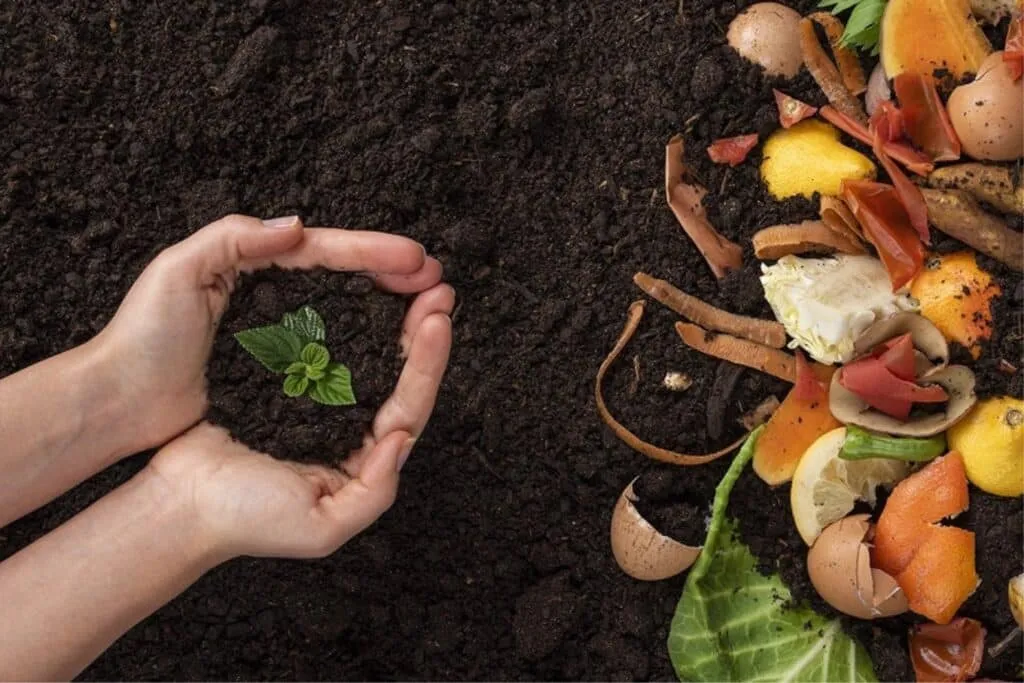
“Environmental decline in Indigenous lands is less severe than in other regions,” states the IPBES report.
Indigenous communities combine ancestral knowledge with modern technology. Drones monitor wildfires, and the PGTA (Territorial Management Plan) integrates traditional techniques with scientific data. Examples include:
- Agricultural cycles that prevent soil exhaustion;
- Selective use of forest resources;
- Controlled fire management to prevent large-scale wildfires.
Indigenous sustainability is not nostalgia, but a viable strategy. The UN recognizes this: its Decade on Ecosystem Restoration (2021-2030) encourages partnerships with communities. In 2021, the Amazoniar meeting discussed the integration of traditional knowledge into global policies. This not only protects Amazonian biodiversity but also provides models to combat climate crises.
More than 95% of Brazilians acknowledge climate change, yet modern solutions often ignore ancestral wisdom. The key lies in collaboration: science and traditions together can guide a more sustainable future.
How Indigenous Peoples Protect Biodiversity in the Amazon
Indigenous lands form the foundation of Amazonian biodiversity. Research shows that demarcated áreas maintain 98% of preserved vegetation, compared to just 61% on private lands. These data indicate that environmental protection is far more effective when communities live in harmony with nature.
- Brazil’s 490 Indigenous Lands cover 26.4% of the Amazon Basin, protecting 80% of the remaining biodiversity.
- FUNAI studies show that between 2000 and 2022, 2.6 million hectares of forest were lost in Indigenous Lands, compared to 80 million in private áreas.
Traditional knowledge is essential. For centuries, Indigenous peoples have used plants such as cupuaçu and curupixuna in medicine. These practices continue to inspire scientific research:
- Brazil nut production, a leading sustainable product, grew by 21% in recent decades.
- Cultivated açaí increased by 113%, generating R$514 million in 2016.
- Networks of 3,330 Indigenous producers sell Brazil nuts, andiroba oils, and tropical fruits, generating R$16.1 million annually-without cutting down a single tree.
Each hectare preserved by communities is worth more than illegal logging.
This combination of territorial rights, ancestral knowledge, and green economy proves that environmental protection is only possible with the recognition of Indigenous rights.
Responsible Tourism and Cultural Exchange: How to Visit and Respect Amazonian Tribes
Visiting Indigenous communities requires respect and preparation. In Brazil, Amazonian tribes such as the Cipiá, Tatuyo, Diakuru, and Tuyuka offer unique experiences, combining culture and sustainability. In villages such as the Pataxó (Bahia) or the Guarani Tenondé Porã (São Paulo), visitors learn about handicrafts, cuisine, and traditional rituals.
“Responsible tourism turns cultures into protagonists of their own future.”, World Tourism Organization
Tips for Safe and Ethical Travel
- Choose certified guides who work in partnership with the communities;
- Ask about cultural rules, such as proper dress or restricted ceremonies;
- Avoid offering monetary gifts; instead, buy handicrafts directly from artisans;
- Participate in environmental education projects promoted by the communities themselves.
Companies such as Vivalá organize expeditions that generate direct income for Amazonian tribes. An 8-day expedition costs an average of R$5,690.50. These resources are reinvested in local health and education projects. In turn, 44,000 hectares of forest are preserved, as well as endangered languages.
Cultural dialogue must be mutual. While visitors learn from millennia-old stories, communities preserve their identity. The key is to value ancestral knowledge without exoticizing cultures.
Conclusion: The Future of the Amazon Depends on Recognizing and Valuing Its Indigenous Peoples
Indigenous peoples of the Amazon rainforest are guardians of millennia-old wisdom. Through their practices, they protect the conservation of the tropical forest. In Brazil, the Yanomami Indigenous Territory exemplifies the effectiveness of protected áreas, with an 80% reduction in deforestation.
Projects such as banana and cassava flour production generate R$145,000, showing that sustainable economies are viable. Empowered communities restore hectares of land, proving their positive impact. Yet challenges persist, such as illegal mining and deforestation.
The future of the Amazon depends on policies that respect Indigenous rights. Projects benefiting 2,840 Indigenous people show the value of traditional practices. Conserving the tropical forest requires dialogue between ancestral knowledge and public policies.
Respecting the Indigenous peoples of the Amazon rainforest is essential. Their knowledge is a vital tool against global crises such as climate change.
FAQ
Quais são os principais povos indígenas da Amazônia brasileira?
Os Ticuna, Yanomami, Tukano, Desana e Baniwa são alguns dos povos indígenas mais conhecidos. Cada um possui suas próprias culturas e línguas distintas.
Qual a importância da preservação cultural dos povos indígenas na Amazônia?
Preservar a cultura indígena é essencial para a conservação da biodiversidade. Eles possuem conhecimentos ancestrais sobre manejo sustentável da floresta amazônica.
Como os povos indígenas contribuem para a proteção da biodiversidade?
Eles empregam técnicas tradicionais de manejo sustentável. Conhecem as relações ecológicas entre as espécies. Além disso, suas terras servem como barreiras contra o desmatamento.
O que é etnoturismo e como ele ajuda os indígenas?
O etnoturismo é uma forma de turismo que envolve a interação com comunidades indígenas. Promove a valorização cultural e gera renda de forma sustentável, respeitando suas tradições e autonomia.
Quais são os desafios enfrentados pelos povos indígenas atualmente?
Os indígenas enfrentam desafios como a luta pela demarcação de terras e invasões de garimpeiros. Também enfrentam contaminação ambiental e o impacto do desmatamento em suas comunidades.
Como a colonização afetou os indígenas da Amazônia?
A colonização resultou no declínio populacional indígena, causado por doenças, violência e deslocamento forçado. No entanto, também gerou formas de resistência que ajudaram a manter suas culturas.
Que lições de sustentabilidade podemos aprender com os povos indígenas?
Eles ensinam a importância da interdependência entre todos os seres vivos. Práticas como a agricultura de baixo impacto oferecem insights valiosos para enfrentar os desafios ambientais.
Por que a demarcação de terras indígenas é tão importante?
A demarcação de terras é crucial para proteger as culturas, práticas tradicionais e biodiversidade dos indígenas. Ela assegura que suas terras sejam preservadas da exploração e degradação ambiental.
Que impacto têm as práticas culturais dos povos indígenas sobre a medicina moderna?
O conhecimento tradicional sobre plantas medicinais dos indígenas tem sido fundamental para a medicina moderna. Resultaram novos medicamentos e tratamentos que beneficiam a humanidade.